
Sub Topics: Sub Topics: Clinical Dermatology and Skin Disorders
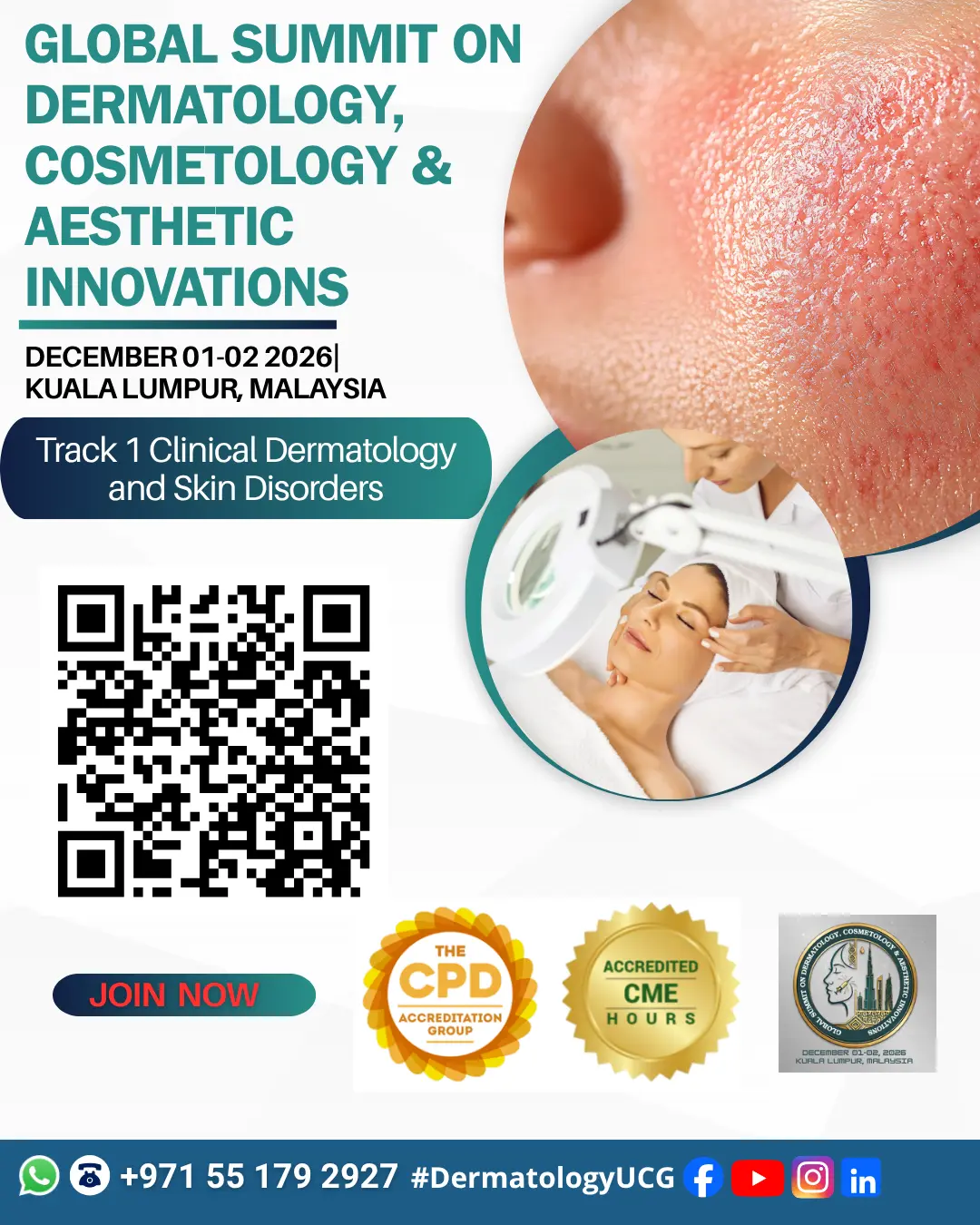
Clinical Dermatology...
Sub Tracks:
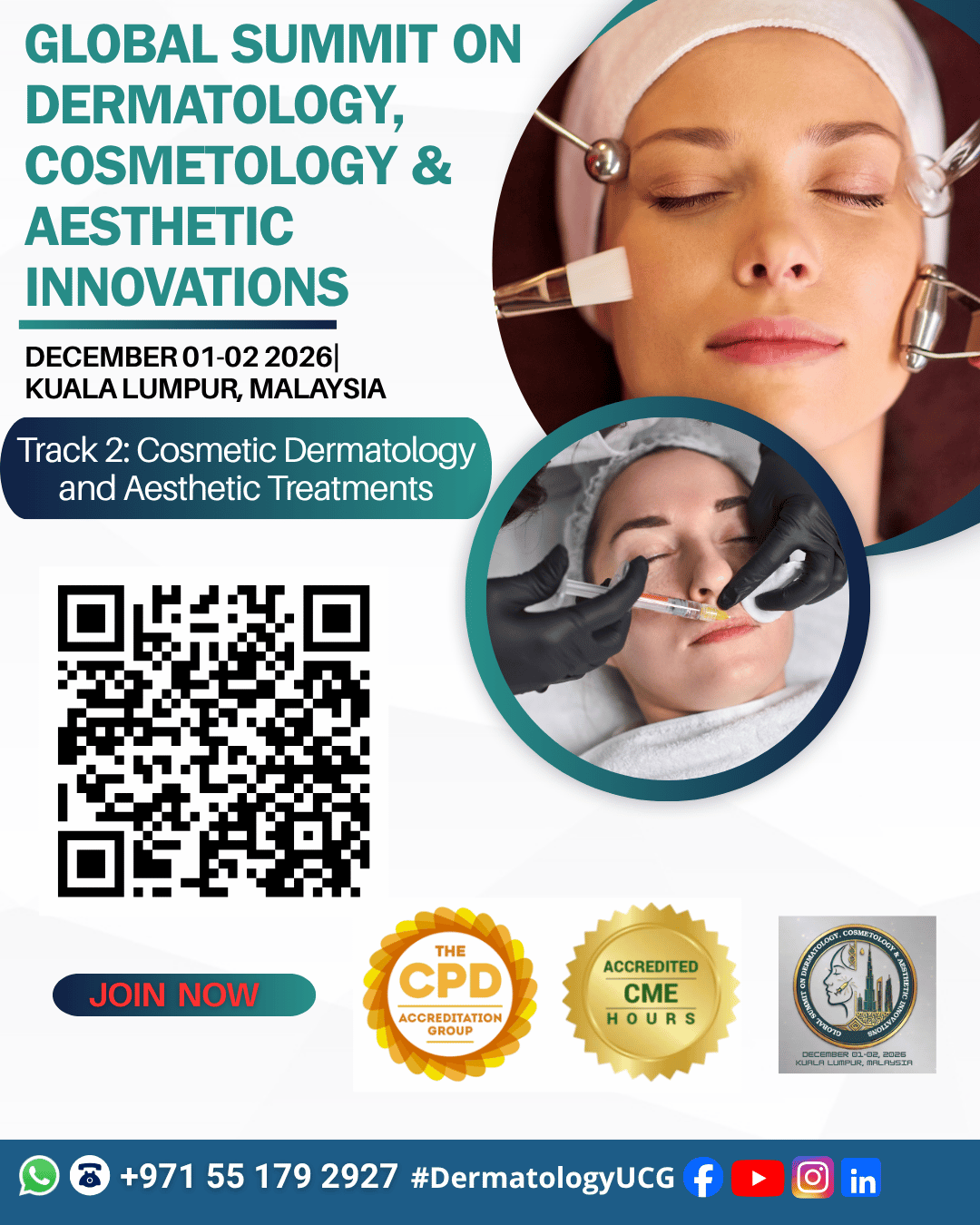
Cosmetic Dermatology is a specialized branch of dermatological science focused...
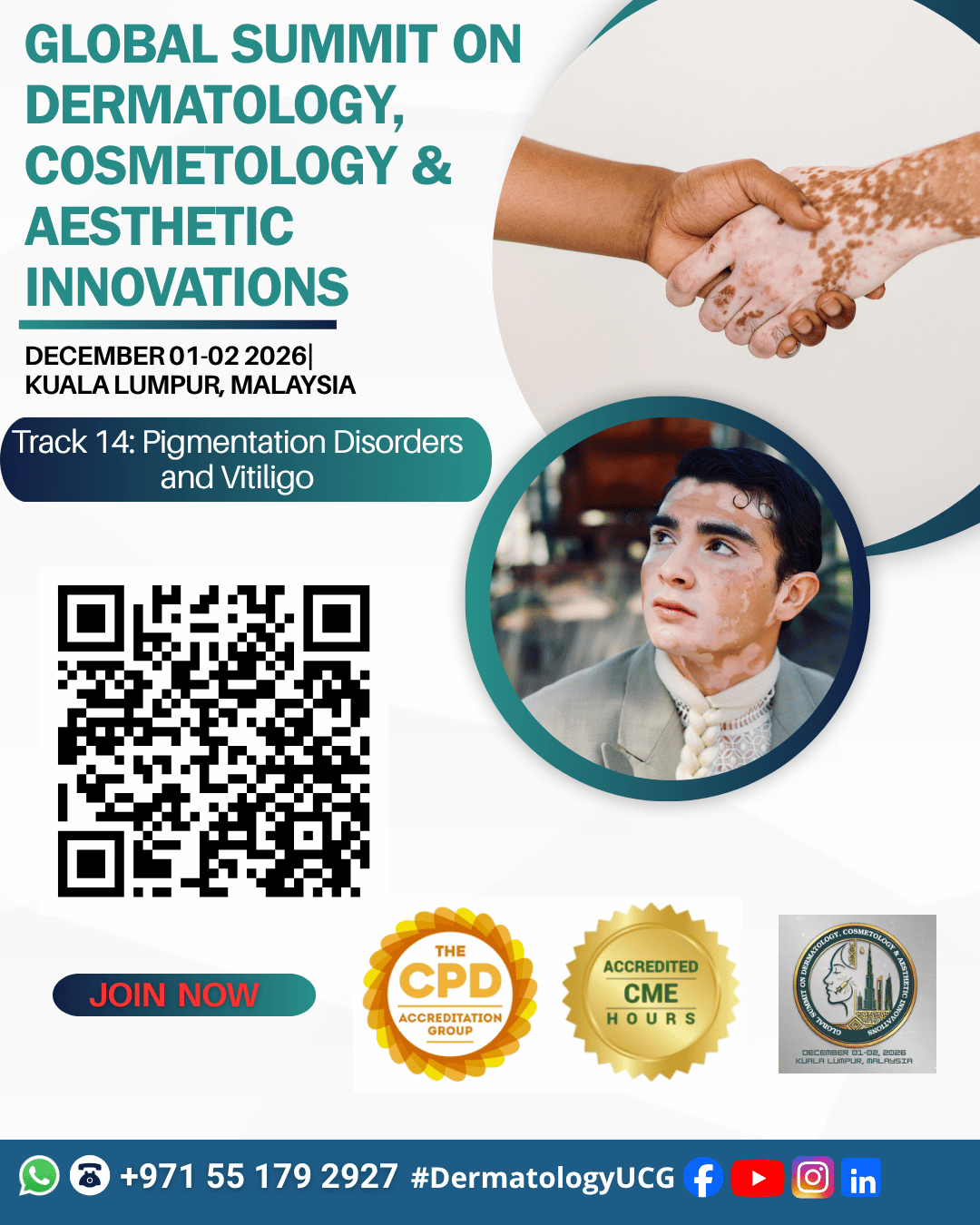
Pigmentation Disorders and Vitiligo
Pigmentation disorders represent a diverse group of conditions characterized by alterations in the color of the skin, resulting from abnormalities in melanin production, distribution, or degradation. These disorders can have profound psychological and social impacts, in addition to their aesthetic implications. Understanding the complex interplay between genetic, immunologic, and environmental factors is essential for accurate diagnosis and effective management.
Among the various pigmentation disorders, vitiligo stands out as a chronic, acquired depigmenting condition marked by the selective destruction of melanocytes, leading to well-defined white patches on the skin. It is increasingly recognized as an autoimmune disease with genetic predisposition and oxidative stress as key contributors to its pathogenesis. Other common pigmentation disorders include melasma, post-inflammatory hyperpigmentation, and hypopigmentation following injury or inflammation.
Recent advancements in molecular biology, immunogenetics, and regenerative medicine have expanded therapeutic possibilities. Novel treatment modalities such as targeted immunotherapies, phototherapy advancements, and melanocyte transplantation are showing promising outcomes. Additionally, the integration of psychosocial support and patient-centered care has become an important aspect of holistic management.
The session on Pigmentation Disorders and Vitiligo will bring together leading experts, clinicians, and researchers to explore the latest developments in understanding pigmentary mechanisms, innovative treatment approaches, and future directions in pigment cell biology. Participants will gain valuable insights into evidence-based therapies, emerging technologies, and multidisciplinary strategies aimed at improving patient outcomes and quality of life.