
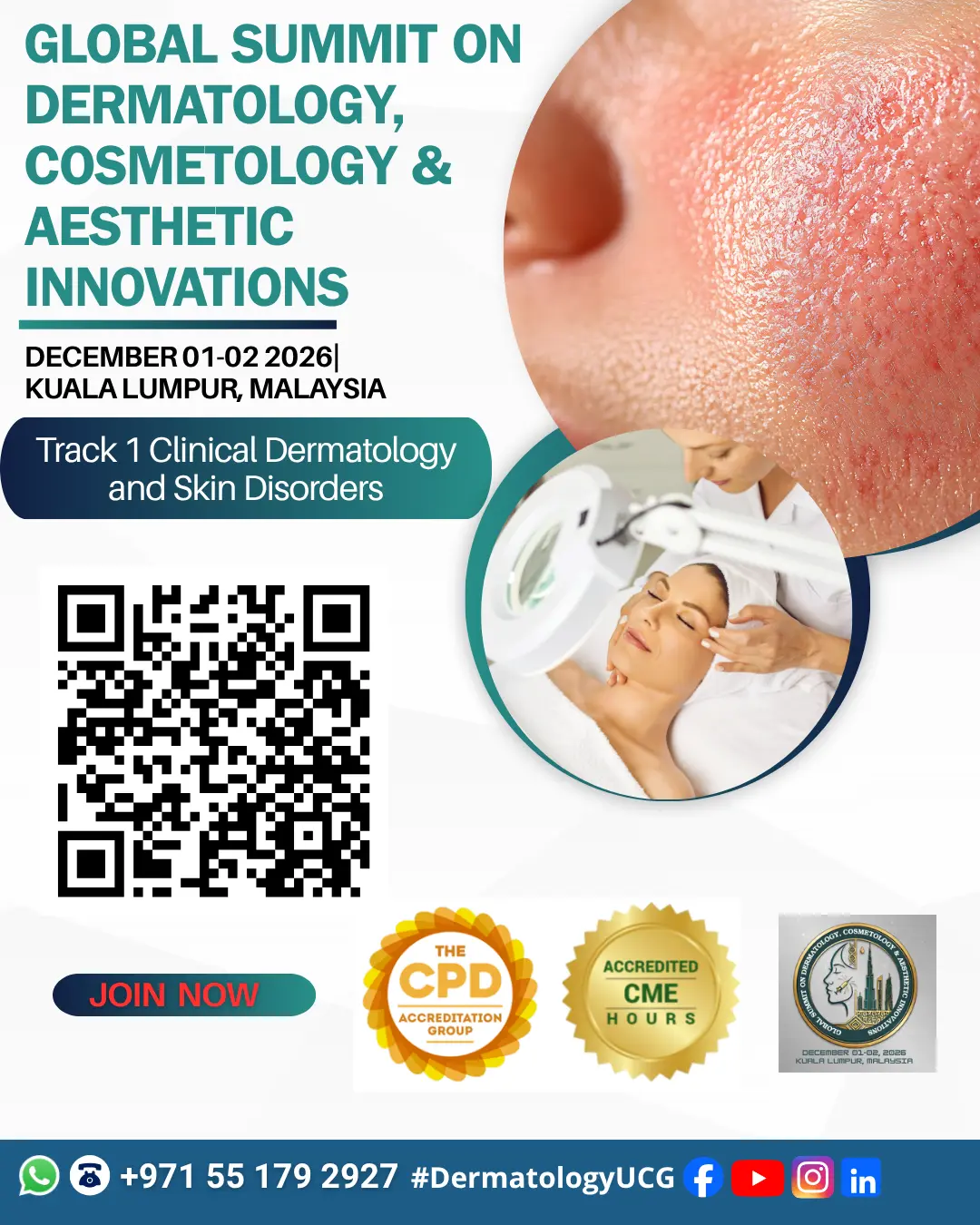
Sub Topics: Sub Topics: Clinical Dermatology and Skin Disorders
Clinical Dermatology...
Sub Tracks:
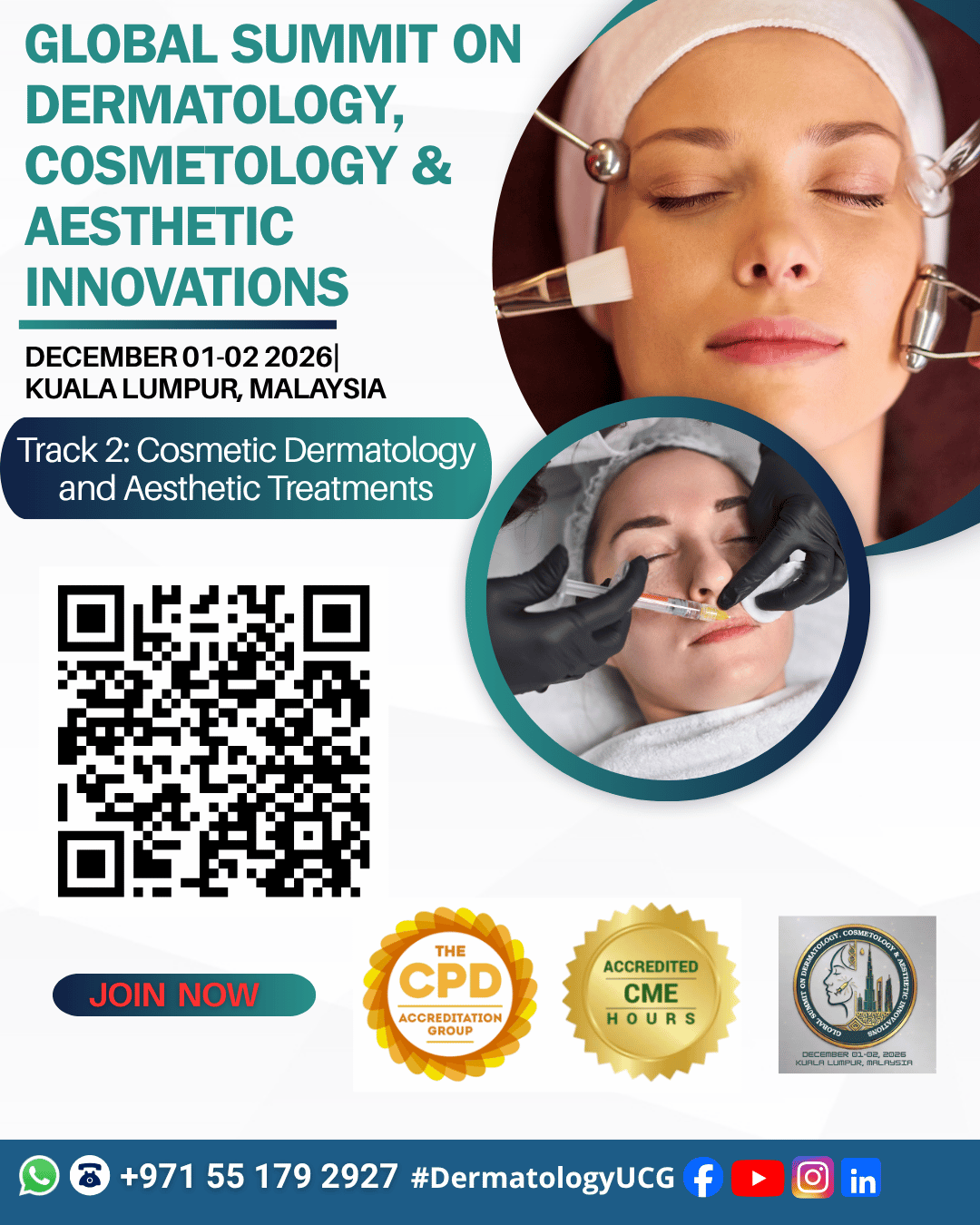
Cosmetic Dermatology is a specialized branch of dermatological science focused...
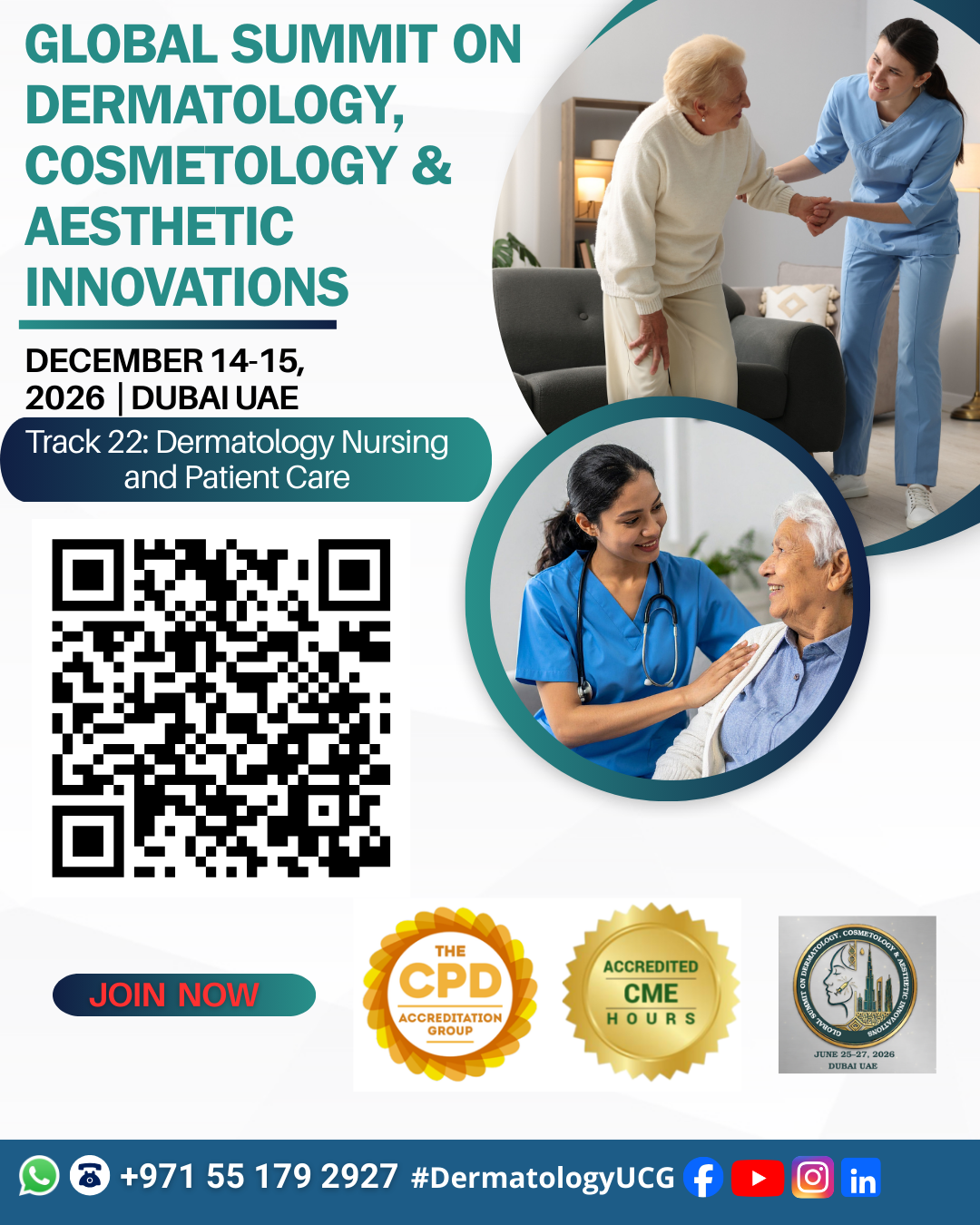
Dermatology Nursing and Patient Care
Dermatology nursing and patient care form the cornerstone of comprehensive dermatologic practice, bridging clinical expertise with compassionate care to enhance patient outcomes across a spectrum of skin disorders. Dermatology nurses play a vital role in patient education, treatment administration, procedural assistance, and holistic management, ensuring that therapeutic interventions are delivered safely, effectively, and empathetically.
The field encompasses diverse responsibilities, including wound care, phototherapy administration, laser and procedural support, and chronic disease management for conditions such as psoriasis, eczema, acne, and autoimmune skin disorders. With the expanding scope of dermatologic treatments and technologies, nurses are increasingly involved in advanced clinical roles—monitoring biologic therapies, managing adverse effects, and participating in multidisciplinary care teams to deliver evidence-based interventions.
Emphasis on patient education and counseling is central to dermatology nursing, empowering individuals to understand their conditions, adhere to treatment regimens, and adopt preventive skincare practices. Moreover, the integration of teledermatology, digital health tools, and patient-reported outcome measures has enhanced accessibility, continuity of care, and personalized treatment planning.
The session on Dermatology Nursing and Patient Care will highlight the evolving role of nursing professionals in clinical dermatology, research, and patient advocacy. Participants will gain insights into best practices in clinical coordination, emerging technologies in dermatologic care, and strategies for improving patient engagement, safety, and satisfaction within a multidisciplinary framework
Promoting Mental Wellness:
Treatment
The treatment of mental health issues can be done in many different ways. Being highly individualized, treatment may not always be effective for everyone.
Combining certain tactics or treatments can increase their efficacy. A person with a persistent mental illness may make diverse decisions throughout their life.
The patient has to engage closely with a physician who can assist them in determining their needs and offering appropriate therapy.
The treatment for mental health conditions varies depending on the specific diagnosis, the severity of symptoms, and individual factors. Mental health treatment often involves a combination of therapeutic interventions, medications, lifestyle modifications, and support from mental health professionals, friends, and family. Here are some common approaches to mental health treatment:
How can you keep your mental health in check?
Self-care strategies can improve a person's mental health by reducing their chances of being ill, increasing their energy, and managing their stress. To help someone start their self-care program, the NIMH offers various tips:
Exercise on a regular basis: A 45-minute workout three to five times a week can significantly improve mental health.
Maintain hydration and eat a balanced diet: Staying hydrated and eating a well-balanced meal will help you feel energized throughout the day.
Aim for high-quality sleep: A 2021 study of multiple studies found that greater increases in a person's mental health were associated with more significant improvements in sleep quality.
Engage in relaxing activities such as breathing exercises, meditation, wellness apps, and journaling.