
Continuing Medical Education (CME)
Continuing Medical Education (CME) constitutes a formal, accredited, and outcomes-driven educational framework designed to ensure that dermatologists, cosmetologists, aesthetic physicians, plastic and reconstructive surgeons, laser specialists, and allied healthcare professionals sustain the highest standards of clinical competence and professional integrity.
Within the advanced and rapidly evolving domains of dermatology, cosmetology, and aesthetic medicine, CME is indispensable for maintaining alignment with scientific innovation, technological advancement, and internationally recognized best practices. CME—also recognized as Continuing Education (CE) or Continuing Professional Development (CPD)—serves as a foundational pillar of lifelong professional development.
The CME program of the Global Summit on Dermatology, Cosmetology & Aesthetic is meticulously structured to deliver scientifically rigorous, clinically relevant, and ethically grounded education. The curriculum integrates advanced instructional methodologies, including keynote scientific sessions, expert symposia, masterclasses, hands-on procedural workshops, live clinical demonstrations, and peer-reviewed research presentations.
Global & Professional Impact
Beyond individual professional development, CME contributes significantly to the advancement of the global dermatology and aesthetic healthcare landscape. It fosters a culture of continuous quality improvement, clinical accountability, and innovation, ensuring the effective translation of scientific research into daily clinical practice.
In an era of accelerated technological progress and increasing patient expectations, CME is not discretionary—it represents a professional mandate and a defining benchmark of excellence in dermatology, cosmetology, and aesthetic medicine.
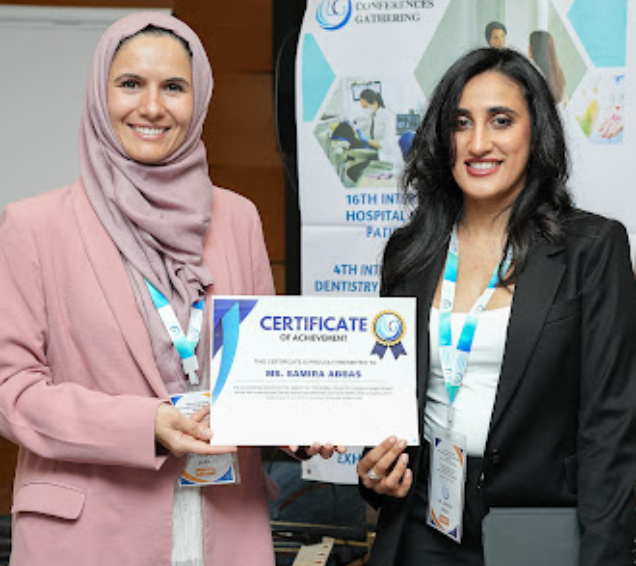
Accreditation and Certification:
Skill Enhancement: Refines and expands your clinical skills and knowledge. Current Knowledge: Keeps you up-to-date with the latest medical research and innovations.
Improved Patient Outcomes: Enhances your ability to provide high-quality, evidence-based care. Licensure and Certification: Helps fulfill mandatory licensure and certification requirements. Professional Growth: Supports career advancement and specialization in your field.
Networking Opportunities: Facilitates connections with peers and experts in the healthcare industry.
Increased Competence: Boosts your confidence in making informed clinical decisions. Compliance with Standards: Ensures adherence to current medical standards and protocols.
Lifelong Learning: Encourages a culture of continuous learning and professional development. Contribution to Healthcare: Enables you to contribute more effectively to your healthcare team and the broader medical community.