
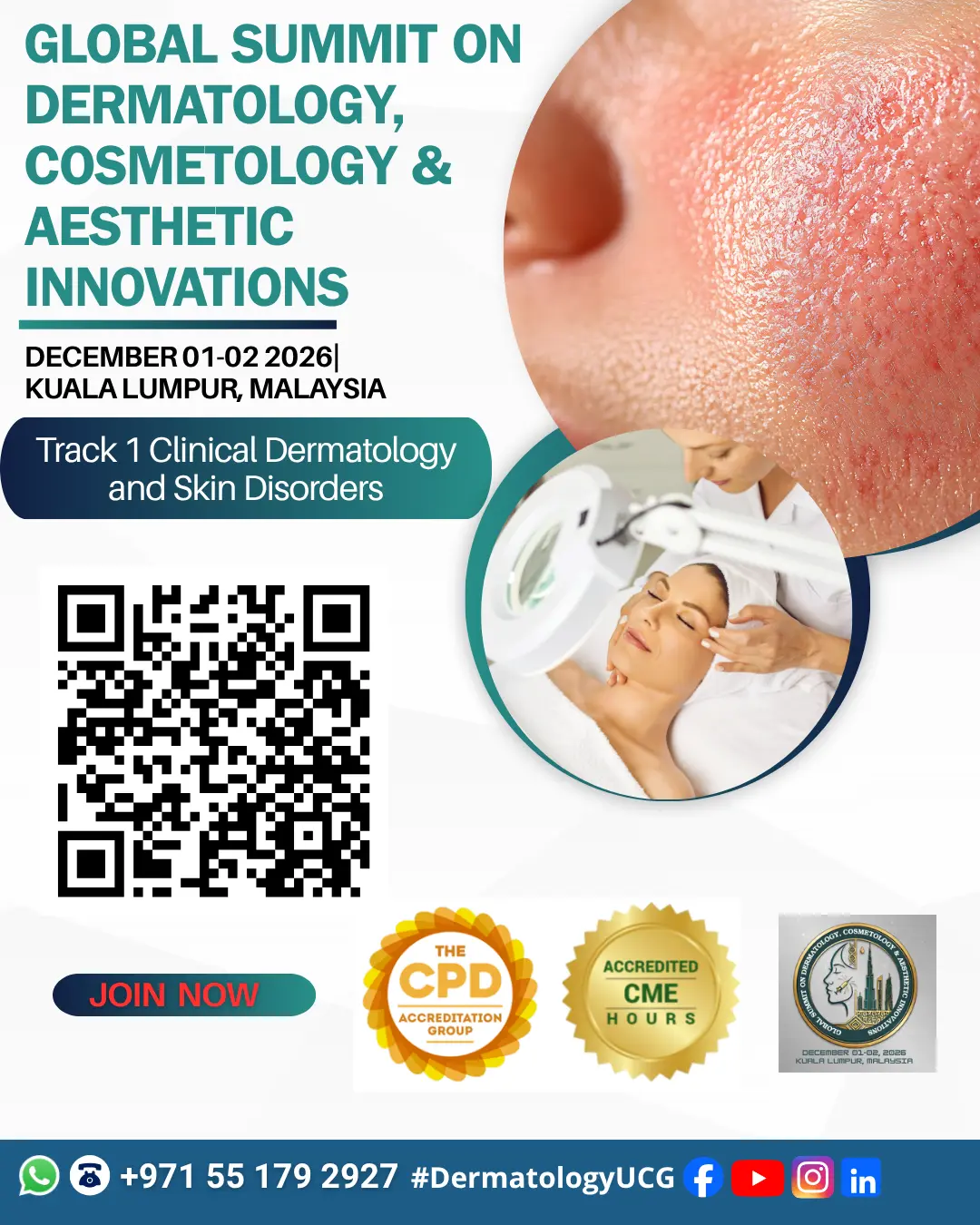
Sub Topics: Sub Topics: Clinical Dermatology and Skin Disorders
Clinical Dermatology...
Sub Tracks:
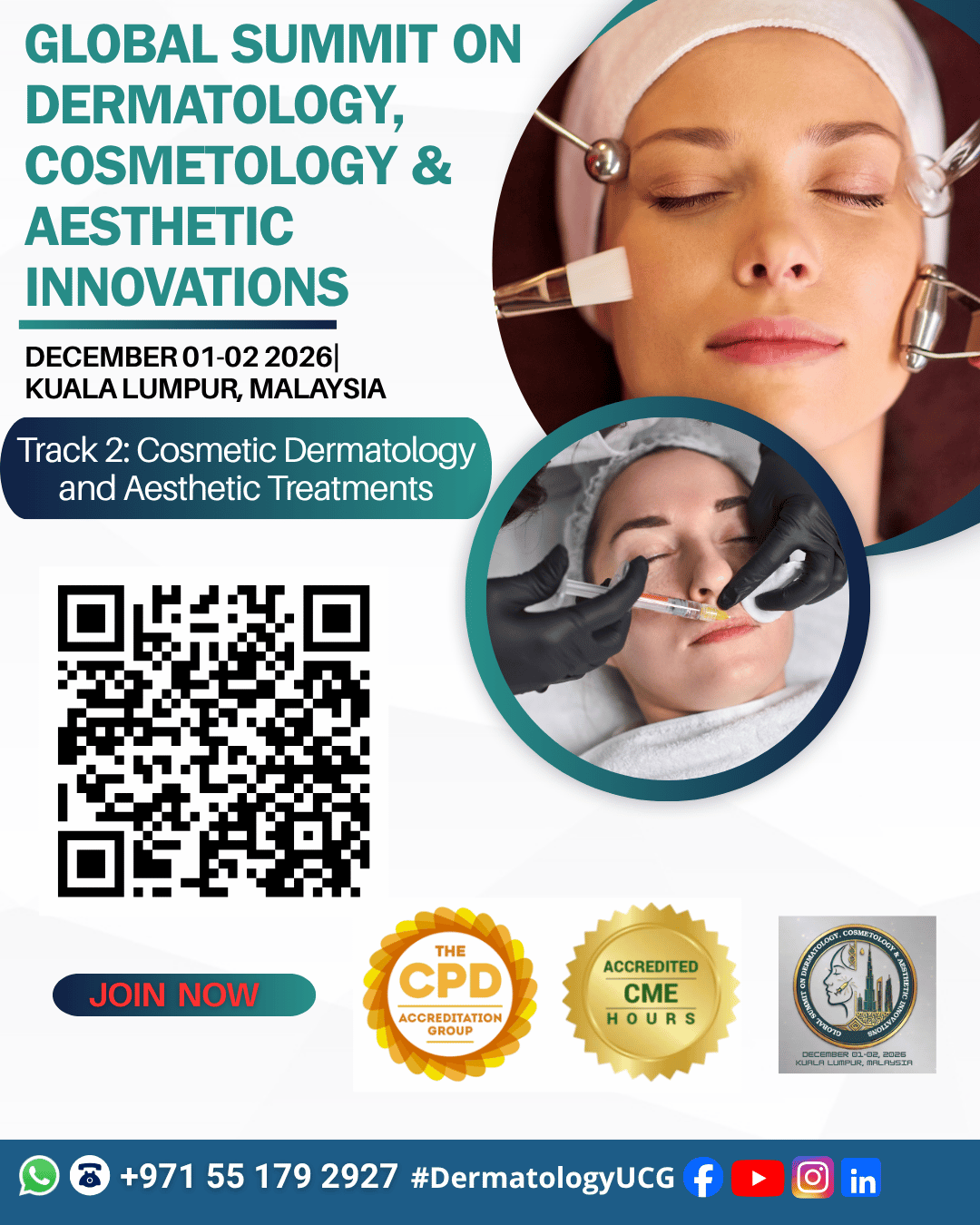
Cosmetic Dermatology is a specialized branch of dermatological science focused...
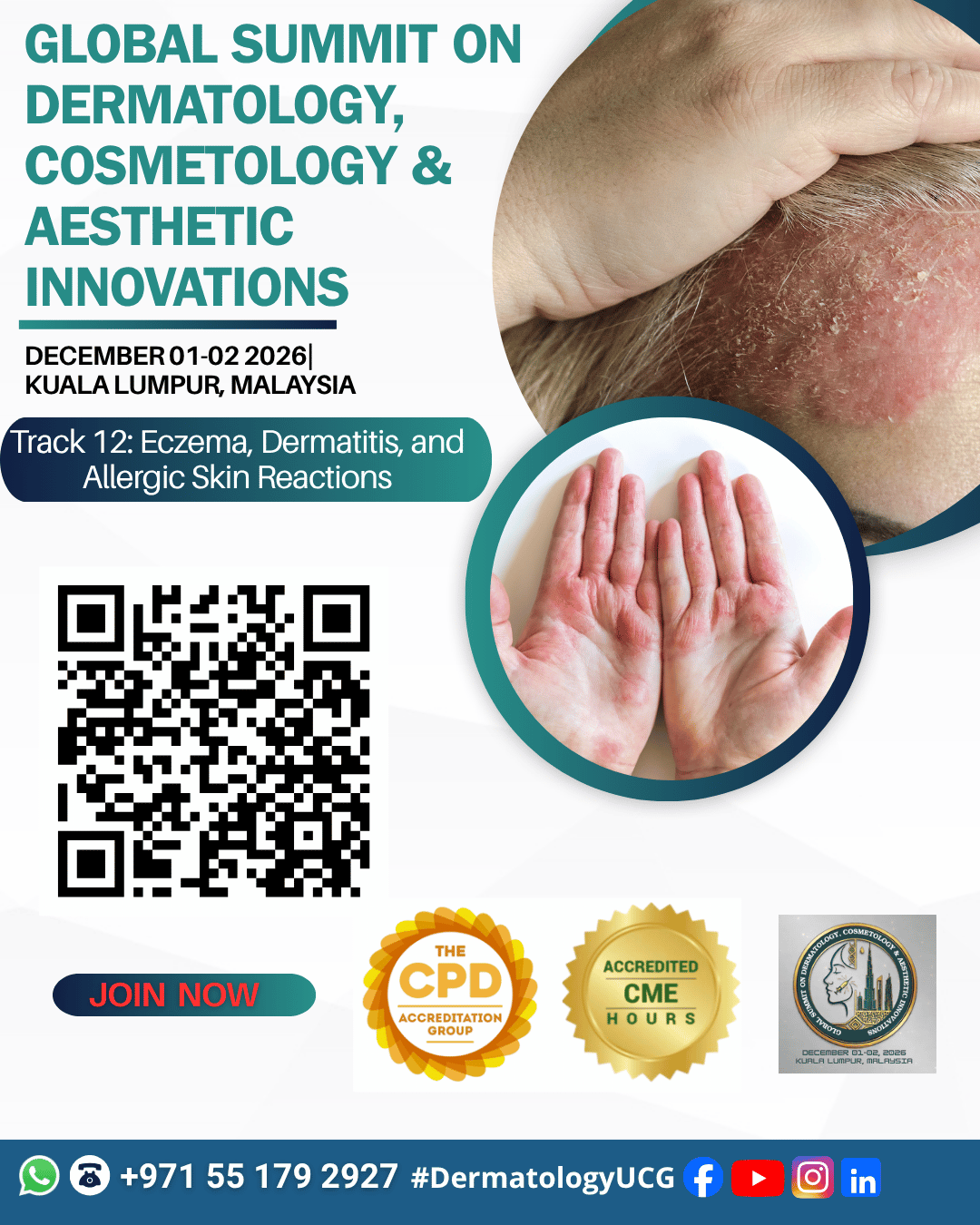
Eczema, Dermatitis, and Allergic Skin Reactions
Eczema, dermatitis, and allergic skin reactions encompass a diverse group of inflammatory disorders that significantly affect patient well-being and pose diagnostic and therapeutic challenges in dermatology. Among these, atopic dermatitis (AD) stands out as one of the most prevalent chronic inflammatory skin diseases worldwide, characterized by intense pruritus, xerosis, and recurrent eczematous lesions. These conditions result from a complex interplay of genetic susceptibility, immune dysregulation, environmental triggers, and skin barrier dysfunction.
Recent advances in immunopathogenesis have elucidated the central role of type 2 (Th2) immune responses and cytokines such as IL-4, IL-13, and IL-31 in driving inflammation and pruritus. Genetic studies have identified key mutations in filaggrin and other barrier-related proteins that compromise epidermal integrity, facilitating allergen sensitization and microbial colonization. These discoveries have paved the way for the development of targeted biologic and small-molecule therapies that specifically inhibit pathogenic cytokine pathways.
Novel agents such as dupilumab (IL-4Rα antagonist), tralokinumab, lebrikizumab, and JAK inhibitors have revolutionized the management of moderate-to-severe atopic dermatitis, offering improved disease control and quality of life. Additionally, ongoing research into the skin microbiome, particularly the role of Staphylococcus aureus dysbiosis, continues to refine our understanding of disease exacerbation and therapeutic modulation.
Beyond atopic dermatitis, allergic contact dermatitis and urticaria represent key areas of investigation, with emphasis on allergen identification, immunologic mechanisms, and novel diagnostic technologies such as patch testing advancements and molecular allergology. Non-invasive imaging, wearable biosensors, and digital health tools are also being integrated into clinical practice to enhance disease monitoring and patient engagement.
Preventive measures, including early-life skin barrier support, allergen avoidance, and public health education, remain central to reducing disease incidence and burden. Holistic management that incorporates psychological support and lifestyle modification continues to be essential in comprehensive care.
The session on Eczema, Dermatitis, and Allergic Skin Reactions will convene dermatologists, immunologists, allergists, and clinical researchers to explore breakthroughs in disease mechanisms, diagnostic innovations, and therapeutic interventions. Participants will gain insights into emerging biologics, personalized treatment approaches, and multidisciplinary strategies aimed at advancing patient-centered care in allergic and inflammatory skin diseases.